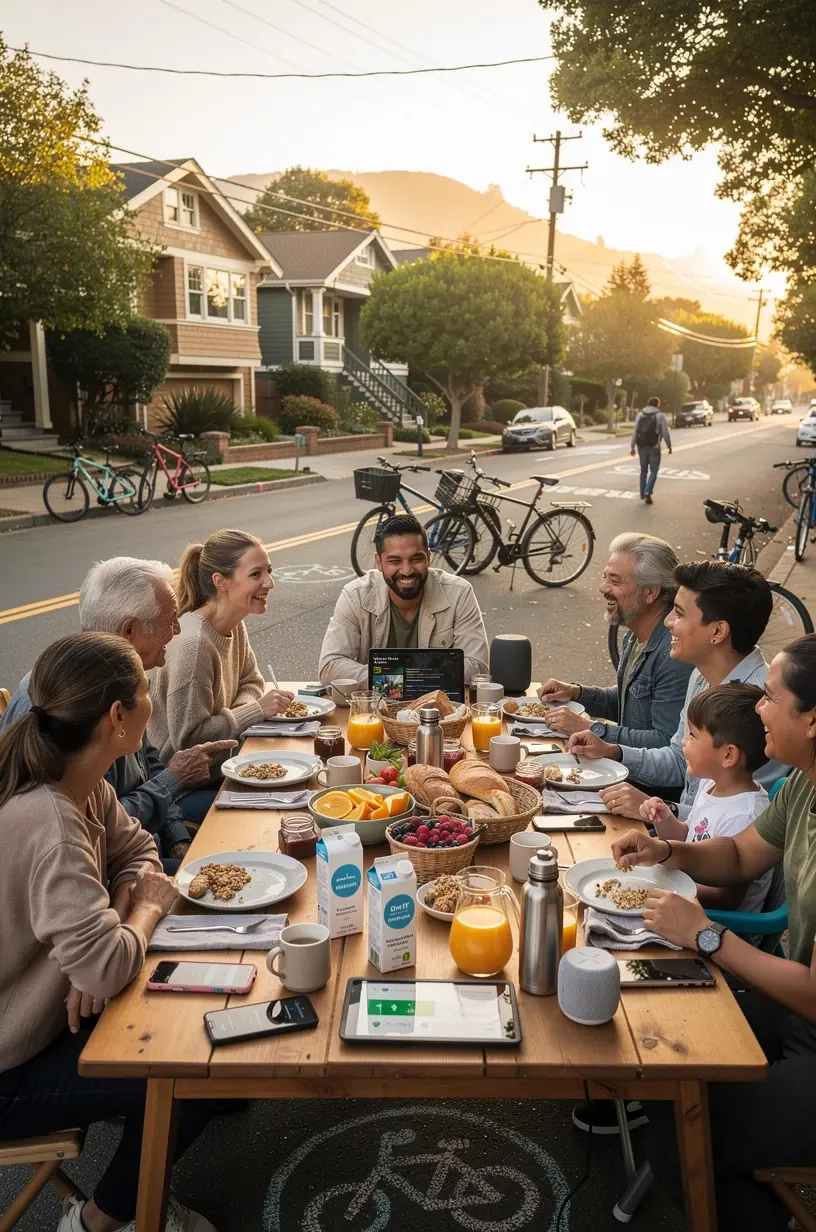
How Green Infrastructure Improves Neighborhoods
As urban areas continue to grow, the need for sustainable solutions becomes increasingly apparent. Green infrastructure offers a way to enhance neighborhoods by integrating natural elements into urban designs. This article explores how these systems can help improve community well-being, support environmental sustainability, and foster economic growth.
Understanding Green Infrastructure
Green infrastructure refers to a network of natural and semi-natural features that provide various environmental, social, and economic benefits. This concept typically includes green roofs, rain gardens, urban forests, and permeable pavements. According to a 2020 study published by the Environmental Protection Agency (EPA), these systems can help manage stormwater, reduce urban heat, and improve air quality in residential districts.
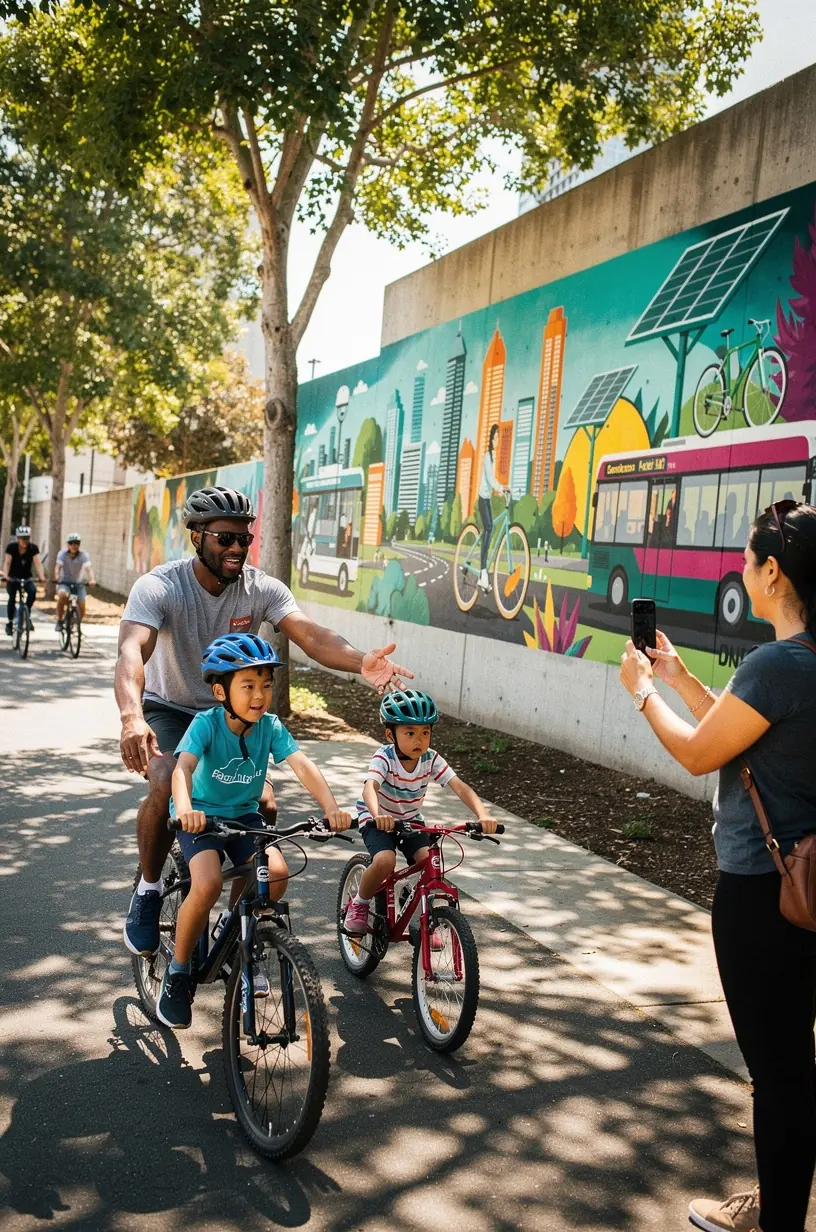
"Green infrastructure not only enhances the beauty of neighborhoods but also contributes to healthier environments and greater community resilience." - Urban Ecology Research Group
The Benefits of Green Infrastructure
Research indicates that implementing green infrastructure can lead to multiple positive outcomes for neighborhoods:
- Environmental Improvement: Green infrastructure can help mitigate flooding by absorbing rainwater, reducing runoff by up to 65%, according to a report from the American Society of Civil Engineers.
- Health Benefits: Urban green spaces promote physical activity and mental well-being. Studies show that access to green areas can reduce stress levels and enhance quality of life.
- Economic Growth: Neighborhoods with green infrastructure often see an increase in property values. A study by the National Association of Realtors found that homes near parks and green spaces can sell for 20% more than similar properties without access to these features.
Implementing Green Infrastructure in Your Community
While the benefits of green infrastructure are clear, implementing these solutions typically requires a coordinated effort. Here are some steps communities can take:
- Community Engagement: Involve local residents and stakeholders in the planning process. This fosters a sense of ownership and ensures that the infrastructure meets the community's needs.
- Assessment of Local Needs: Conduct an assessment to identify areas that would benefit most from green infrastructure. This typically requires collaboration with environmental experts and urban planners.
- Funding and Resources: Explore grants and funding opportunities. Many organizations, including the California Natural Resources Agency, offer financial support for green infrastructure projects.
Challenges and Considerations
While green infrastructure presents many advantages, it is important to recognize potential challenges:
- Implementation can be time-consuming and may take several months to years.
- Maintenance is crucial; without regular upkeep, the effectiveness of green spaces can diminish.
- Community buy-in is essential. Projects not aligned with residents' needs may face resistance.
Conclusion
Green infrastructure represents a promising approach to urban development that can enhance the livability of neighborhoods. By integrating natural systems into urban planning, communities can not only improve their environments but also foster healthier, more resilient neighborhoods. As interest in sustainable solutions grows, focusing on green infrastructure can yield significant long-term benefits for urban residents across California and beyond.
Learn More