Understanding Urban Mobility Solutions
Urban mobility is rapidly evolving, transforming how we navigate our cities. This article explores various urban mobility solutions and how they can improve everyday life in residential districts in Canada.
Understanding the Basics of Urban Mobility
Urban mobility solutions refer to the various methods and technologies that facilitate transportation within urban areas. These solutions aim to enhance accessibility, reduce congestion, and promote sustainable transportation options. According to research by the Institute for Transportation and Development Policy, effective urban mobility systems can lead to a 30% reduction in traffic congestion.

"Many cities are adopting innovative mobility solutions to create more livable urban environments."
Key Urban Mobility Solutions
- Public Transit Improvements: Upgrading public transit systems, such as buses and subways, typically involves increasing frequency and reliability. A study by the American Public Transportation Association indicates that improved public transit can increase ridership by 15-20% over time.
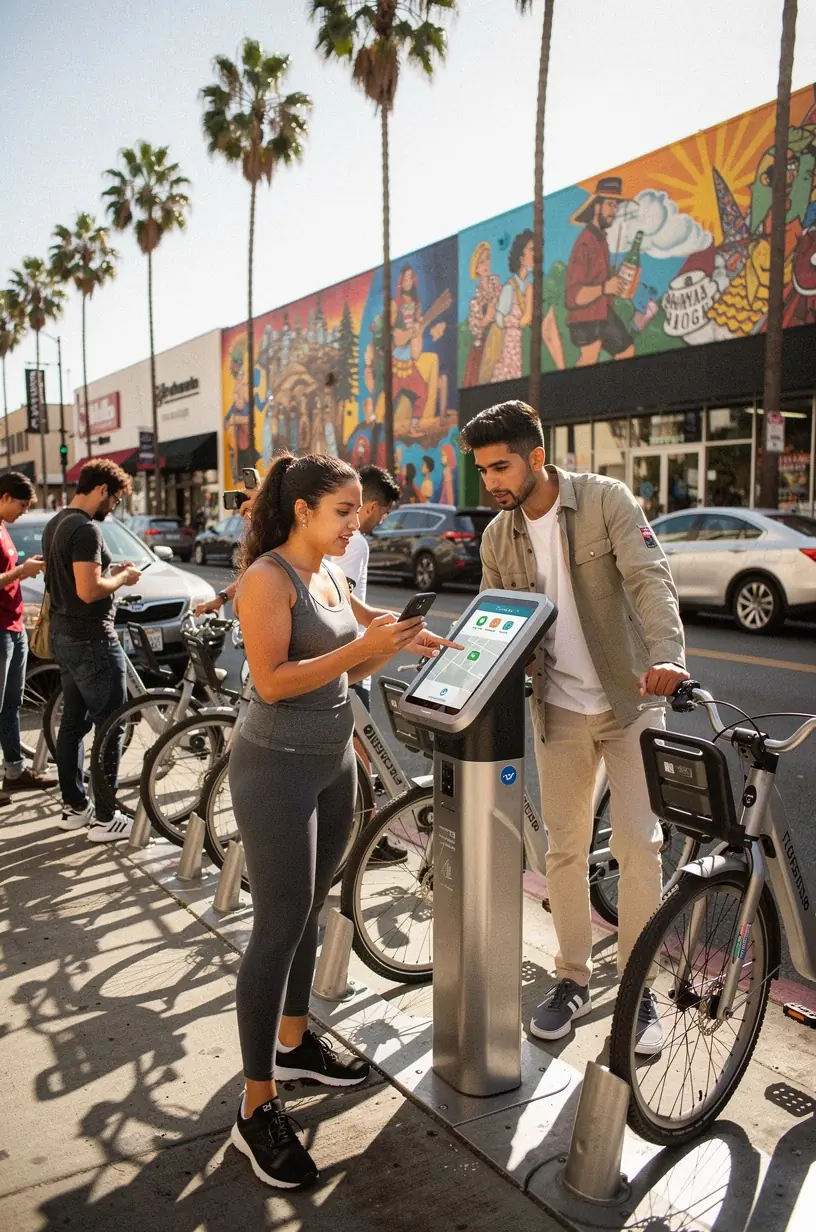
- Micro-Mobility Options: Services like bike-sharing and e-scooter rentals provide flexible transportation choices. These options often work best in congested areas where traditional vehicles may not be ideal, as they can reduce travel times and emissions.
- Smart Traffic Management: Implementing smart traffic systems, which utilize real-time data to manage traffic flow, can improve efficiency. For example, cities employing these systems have seen a decrease in travel times by up to 25%, according to urban planning experts.
Challenges and Considerations
While urban mobility solutions can be effective, there are challenges to consider. Many of these initiatives require significant investment and time to implement. For instance, transforming public transit systems typically takes 2-4 years in most cities. Additionally, adopting new technologies may involve a learning curve for both operators and users.
Conclusion
Urban mobility solutions are essential for creating efficient, sustainable, and accessible transportation systems in Canadian cities. By understanding how these solutions work and the benefits they provide, residents can better engage in discussions about their local transportation options. As urban areas continue to grow, prioritizing effective urban mobility can improve the quality of life for all residents.