Practical Guide to Sustainable Urban Design
As urban areas continue to grow, sustainable urban design has emerged as a crucial element in enhancing the quality of life for residents. This guide explores practical approaches to sustainable urban design, offering insights into how technology can be seamlessly integrated into everyday life in residential districts.
Understanding Sustainable Urban Design
Sustainable urban design refers to creating urban environments that support ecological balance while fostering community well-being. According to the U.S. Green Building Council, sustainable design aims to minimize environmental impact while maximizing resource efficiency. This often involves principles such as energy efficiency, waste reduction, and the use of renewable resources.
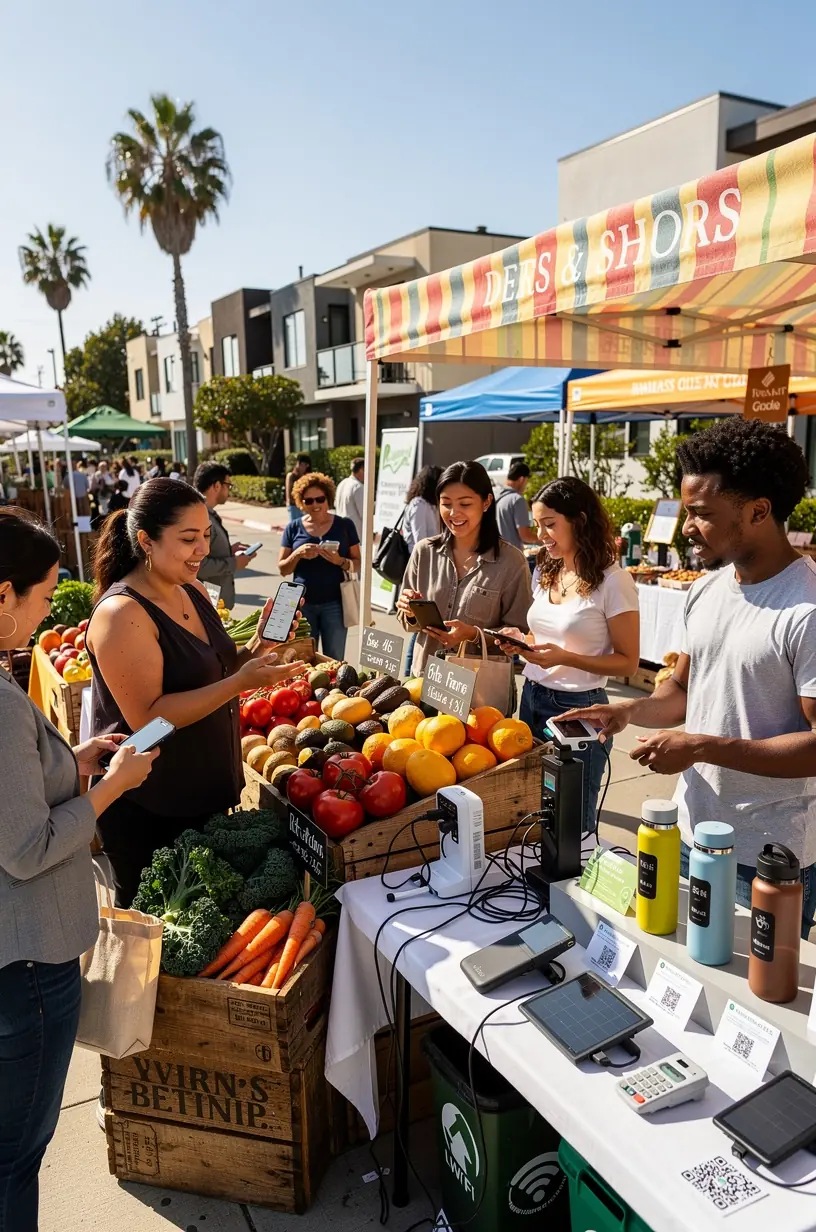
"Sustainable urban design is not just about buildings; it's about creating vibrant communities that thrive." - Urban Planning Expert
Key Principles of Sustainable Urban Design
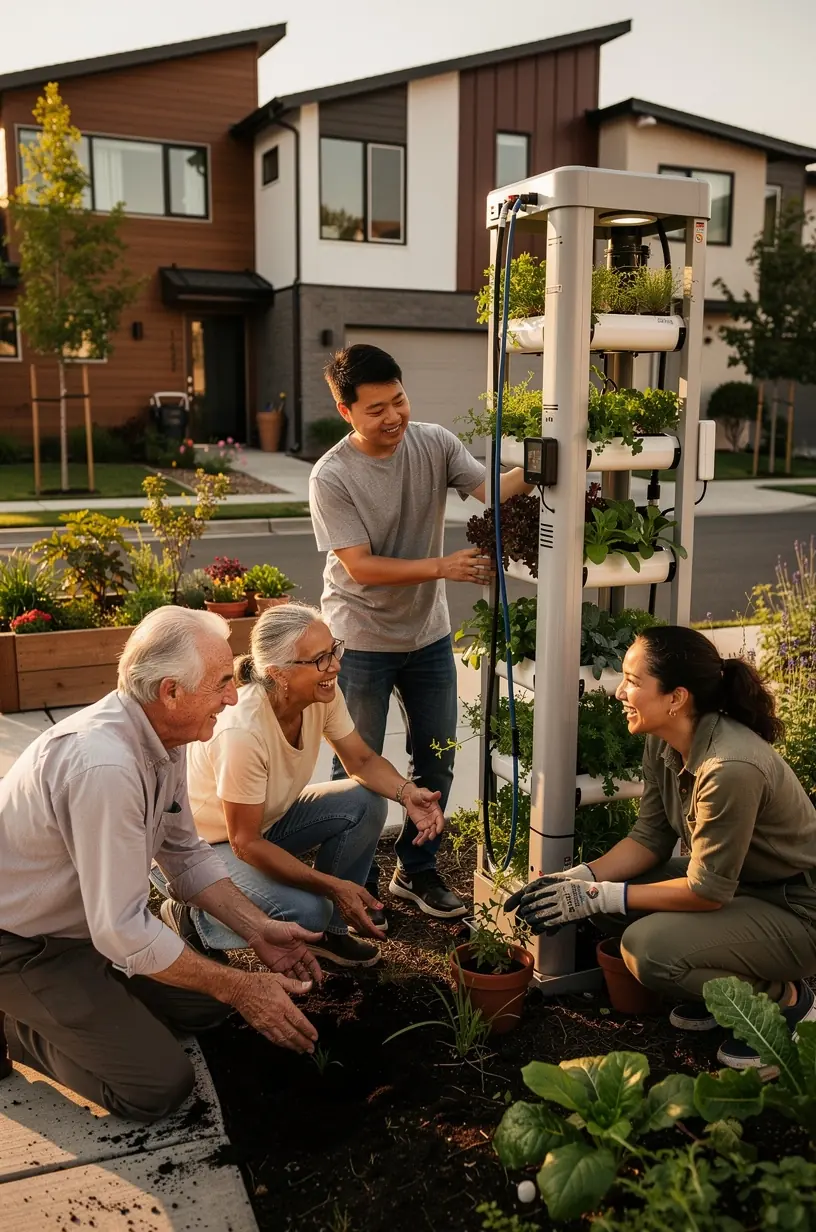
- Integrated Green Spaces: Incorporating parks and green roofs can improve air quality and enhance biodiversity. Research indicates that access to green spaces can increase community well-being by 15-20%.
- Efficient Energy Use: Implementing energy-efficient systems in both residential and commercial buildings can lead to substantial savings. Studies show that energy-efficient buildings can reduce energy consumption by 30-50%.
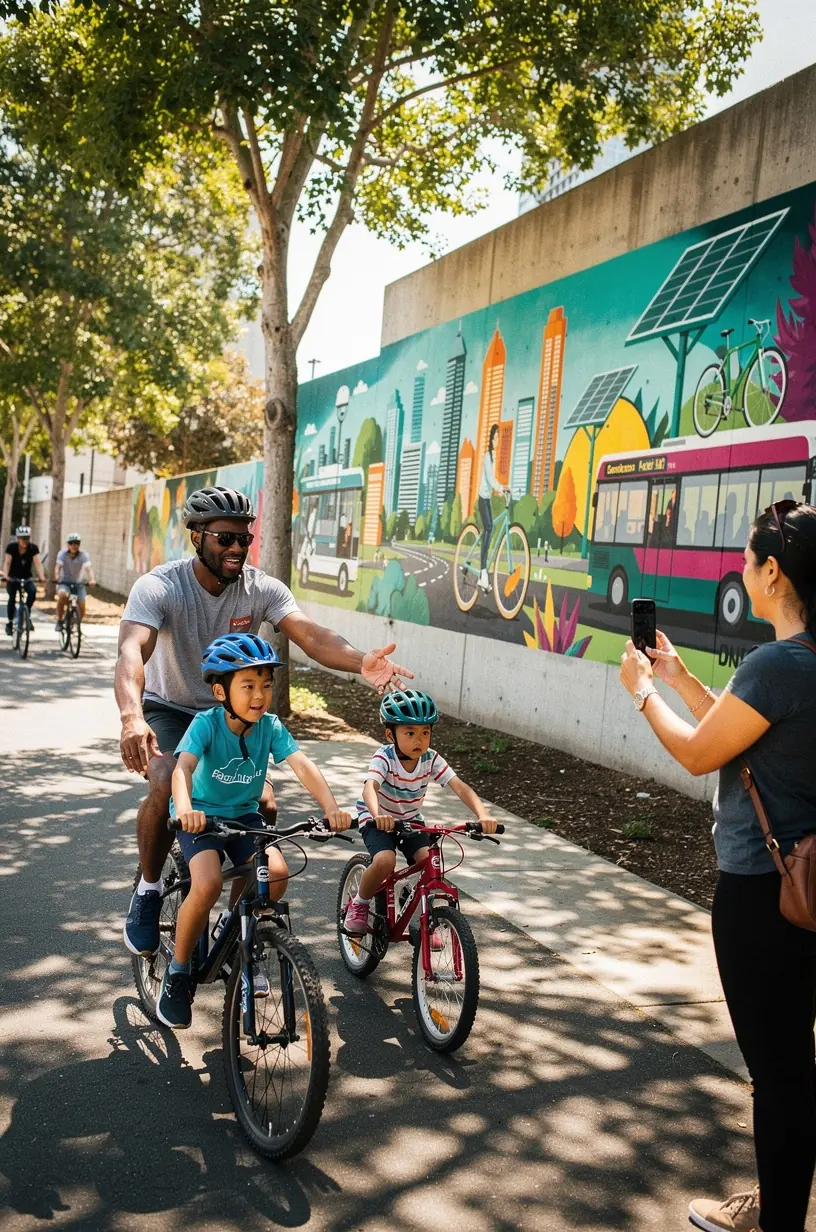
- Sustainable Transportation: Promoting public transit, cycling, and walking reduces reliance on cars, contributing to decreased emissions. Many cities report that improved public transport can lead to a 10-15% decrease in traffic congestion.
Practical Applications in Residential Districts
Implementing sustainable urban design requires a multi-faceted approach. Here are several practical applications that can be adopted in residential areas:
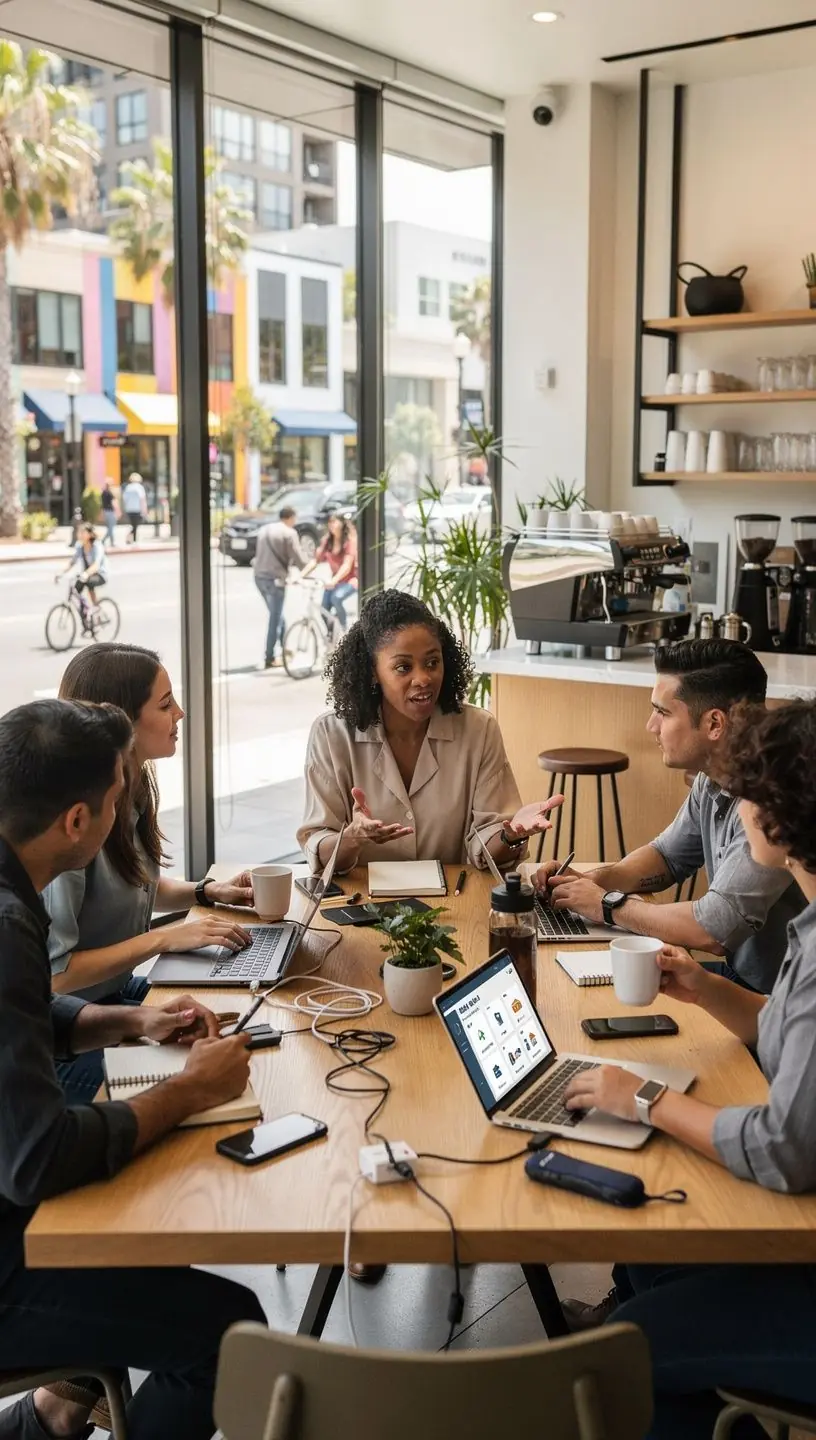
- Community Engagement: Involve residents in planning processes. This typically requires open forums and feedback sessions to understand their needs and preferences. Research suggests that community engagement can increase project success rates significantly.
- Smart Technology Integration: Utilizing smart grids and energy management systems can optimize energy use. This may involve an initial investment but often leads to long-term savings and efficiency improvements.
- Modular Construction Techniques: These allow for faster building processes and reduced waste. Experts recommend these techniques as they typically involve less material wastage and can be more affordable over time.
Challenges and Considerations
While the benefits of sustainable urban design are significant, there are also challenges that communities may face:
- Initial Costs: The upfront investment for sustainable technologies can be substantial. However, many studies indicate that the long-term savings often outweigh these initial costs.
- Learning Curve: Implementing new technologies may involve a steep learning curve for residents and local authorities. Training and education will typically require ongoing commitment.
- Maintenance Concerns: Sustainable features, such as green roofs, require maintenance and care. Residents must be committed to ongoing upkeep to reap the full benefits.
Conclusion
Sustainable urban design is a practical and necessary approach to enhancing residential districts. By adopting integrated green spaces, energy-efficient systems, and sustainable transportation methods, communities can foster environments that are both livable and environmentally friendly. While challenges exist, the long-term benefits of sustainability often justify the initial efforts and investments. Embracing these principles not only improves daily life for residents but also contributes to the health of our planet.
Learn More