The Impact of Remote Work on Urban Development
As remote work continues to reshape our daily lives, its implications for urban development are profound. This article explores how the rise of telecommuting influences residential districts across Canada, providing insights into future trends and opportunities.
Understanding the Basics
The shift toward remote work has been accelerated by various factors, including technological advancements and recent global events. According to a study by McKinsey & Company, approximately 20-25% of the workforce is expected to work remotely at least three days a week post-pandemic, a notable increase from pre-pandemic levels. This transition alters not only how individuals work but also how cities are structured and function.
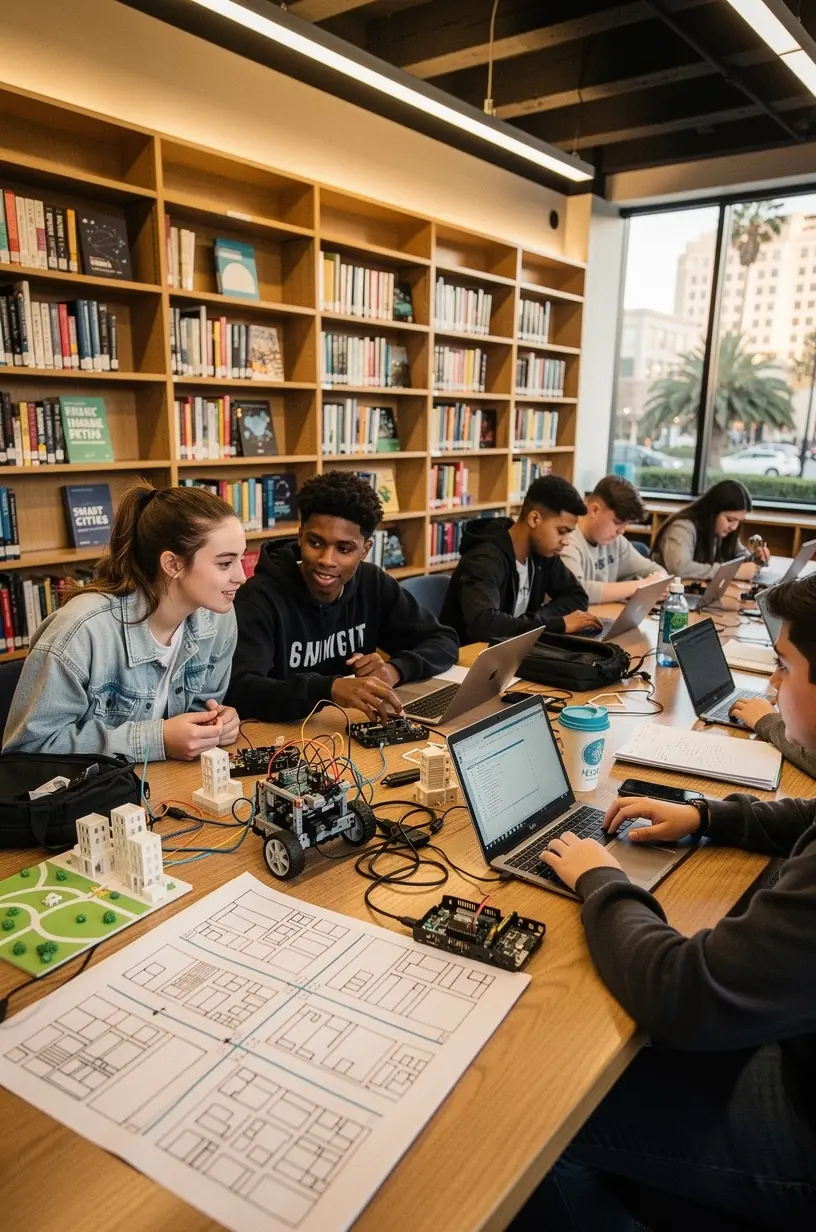
"The future of work is hybrid, and urban plans need to adapt to this new reality, ensuring that cities remain livable and functional for all." - Urban Planning Expert
Effects on Urban Development
Remote work impacts urban development in several key ways:
- Reduced Demand for Office Space: As companies embrace remote work, the need for large office spaces diminishes. Studies show that businesses can reduce their real estate costs by up to 30% when implementing hybrid work models.
- Increased Residential Choice: Many employees now have the flexibility to live further from their workplaces. This often leads to a migration from urban centers to suburban or rural areas, altering housing demand dynamics.
- Enhanced Infrastructure Needs: With more people working from home, there is a growing demand for reliable internet and essential services in residential areas. Local governments are challenged to ensure that infrastructure keeps pace with these changes.
Practical Applications for Urban Planners
Urban planners can leverage these changes to create more resilient and adaptive cities. Here are some approaches:
- Reimagining Office Spaces: Converting under-utilized office buildings into mixed-use developments can provide affordable housing and community spaces, meeting the evolving needs of residents.
- Improving Access to Services: Ensuring that essential services such as grocery stores, healthcare, and public transport are easily accessible in residential areas can help support remote workers.
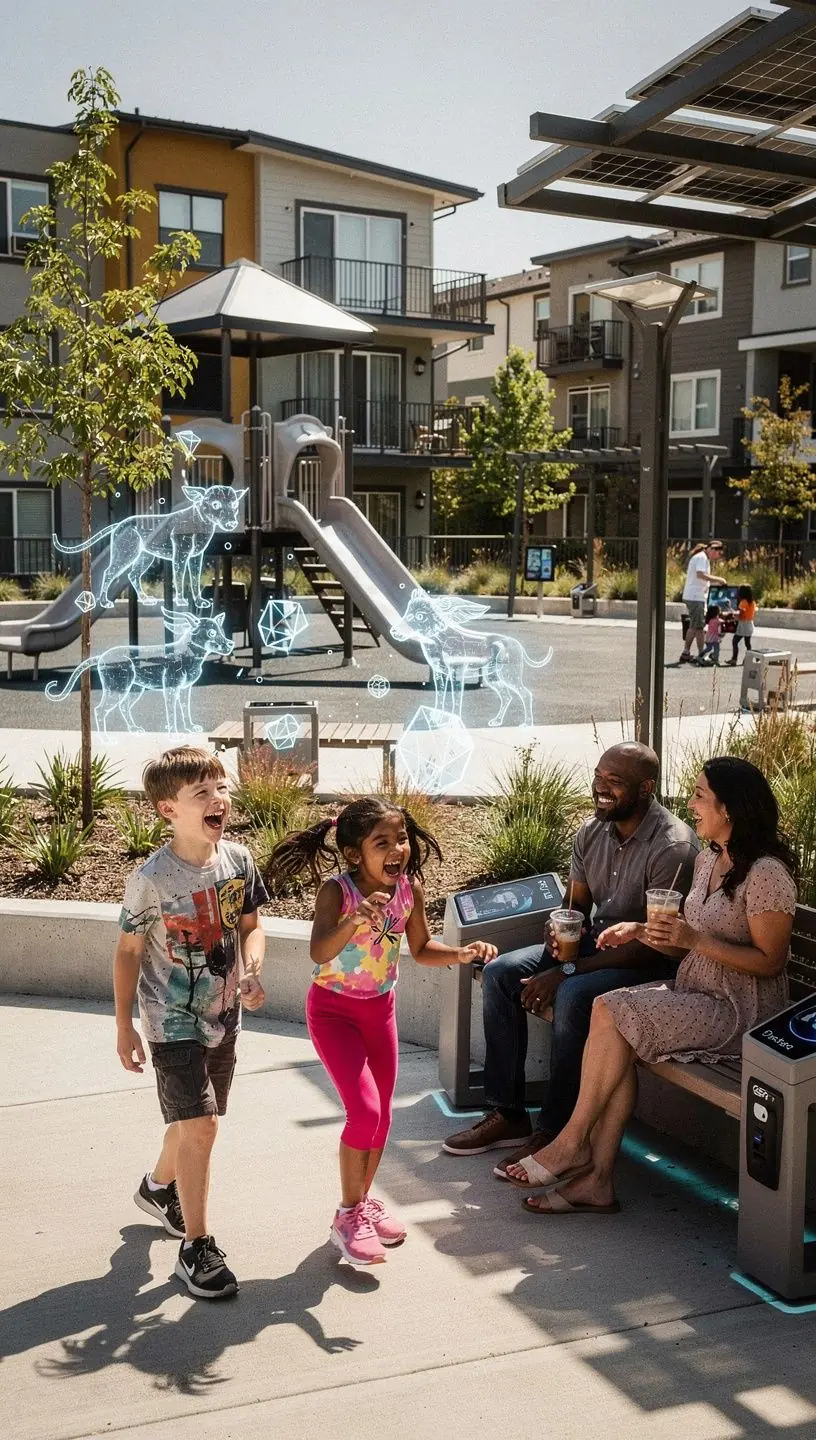
- Fostering Community Engagement: Incorporating parks, recreational areas, and communal spaces can enhance the quality of life for residents, making suburban areas more attractive to remote workers.
Conclusion
The impact of remote work on urban development presents both challenges and opportunities for Canadian cities. By understanding these trends, urban planners and policymakers can create environments that support a growing remote workforce while maintaining the vibrancy and functionality of residential districts. As we move forward, it’s essential to continue adapting to these changes to build sustainable and livable urban spaces.